
A rough idle, a stumble off the line, or a slow cold start often points to varnish in your fuel system. The best gas additive carb cleaner dissolves that gum before it becomes a repair bill. If your engine shakes at a stop, start with the causes of rough idle.
Carburetors and injectors share one weakness. Ethanol blends leave residue behind, and tiny jets clog first. A good additive rides through the tank, softens deposits, and burns them out through normal combustion. That matters for classic carbureted engines, small equipment, and modern port-injected cars.
We compared five Amazon-listed options by chemistry, dose size, price, and what real owners report. Each one earns its spot for a different driver. Read the picks below, then use our buying guide to match the right gas additive carb cleaner to your engine, your budget, and your habits.
🏆 Editor’s Top Pick
Sea Foam Motor Treatment (Pack of 3)
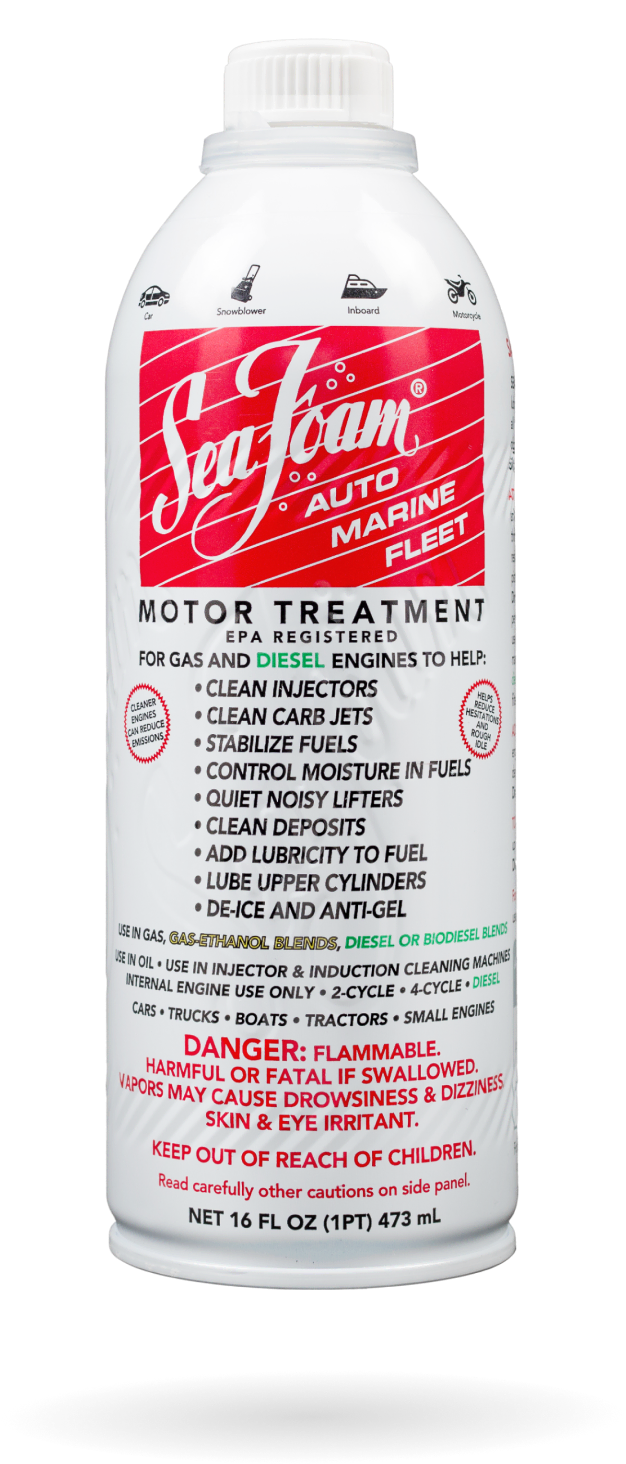
Sea Foam wins for versatility. It cleans carburetor jets and injectors, stabilizes stored fuel, and works in gas or diesel engines. One affordable can covers your car, mower, and boat, and over 30,000 Amazon ratings back its reputation.
- Cleans carb jets and injectors
- Stabilizes fuel up to two years
- Gas and diesel compatible
- Ethanol-safe formula
Top 5 Best Gas Additive Carb Cleaner Reviews
1. Sea Foam Motor Treatment — Best Overall
Sea Foam is a petroleum-based pour-in additive that works in carburetors, fuel injectors, and the crankcase. This Amazon listing is a pack of three 16-ounce cans. It suits owners with mixed fleets, such as a daily driver, a mower, and a boat. You treat each gallon of fuel with one ounce.
In daily use, it shines on mild varnish and sticky jets, not baked-on carbon. Expect a smoother idle after a tank or two. It also stabilizes stored fuel, so seasonal equipment starts easier. Buy it if you want one affordable can that covers cars, tools, and toys.
Key Features
- Carb Jet Cleaning — dissolves residue in injectors, carb jets, and passageways.
- Fuel Stabilizer — keeps stored gasoline or diesel fresh for up to two years.
- Crankcase Use — one ounce per quart of oil cleans harmful residues.
- Ethanol-Safe — works in E10, E15, and E85 blends.
- Simple Dosing — add one ounce per gallon every 3,000 miles.
Why We Recommend It
Choose Sea Foam if you own a carbureted classic, a mower, or a boat alongside your car. One can handles gas and diesel, so it does many jobs.
It earned first place for versatility and low cost per treated gallon. Its three-pack listing shows more than 30,000 Amazon ratings at roughly 4.8 stars.
Pros
- Cleans carb jets and injectors
- Works in gas and diesel engines
- Stabilizes stored fuel up to two years
- Safe in ethanol blends
- Three-pack lowers the cost per can
Cons
- Not a PEA formula, so heavy deposits may need a stronger cleaner
- Flammable, with a listed flash point of 55°F
What Customers Say
A Sea Foam customer, Ron V., posted on the brand’s site about his 2014 Ford Fusion: “It’s been running so much better!”

2. Berryman B-12 Chemtool Carburetor, Fuel System and Injector Cleaner — Best for Carbureted Engines

Berryman B-12 Chemtool is a pour-in cleaner built around High Energy Solvent Technology. The 15-ounce metal can treats carbureted and fuel-injected gasoline engines. It targets gum, varnish, and moisture in the tank, lines, injectors, valves, and pistons. Berryman says it is catalytic converter and oxygen sensor safe.
It is the strongest solvent in this group, so it suits carbureted motorcycles, mowers, and older trucks. Use it when an engine idles rough or surges. Some owners pair it with oil additives, so read about Marvel Mystery Oil problems first.
Key Features
- H.E.S.T. Solvents — strong solvents dissolve gum and varnish instead of using weak carriers.
- Whole-System Reach — cleans the tank, lines, injectors, valves, rings, and pistons.
- Sensor-Safe Formula — safe for catalytic converters and oxygen sensors.
- Metal Pour-In Can — 15 fluid ounces with an easy pour spout.
- Moisture Control — disperses moisture that can cause stalling.
Why We Recommend It
Pick Berryman when carburetor symptoms are your main complaint. Stalling, surging, and hesitation respond well to a strong solvent dose.
It ranked second because it cleans hard but does not stabilize stored fuel. For neglected engines, Berryman also sells a stronger Total Fuel System Clean-Up.
Pros
- Strong solvent action on gum and varnish
- Cleans carburetors and fuel injectors
- Catalytic converter and oxygen sensor safe
- Durable 15-ounce metal pour-in can
- Fits cars, motorcycles, and lawn equipment
Cons
- Strong solvent, so keep it away from plastics and paint
- Maintenance-grade, with a stronger Berryman cleanup product available
What Customers Say
An eBay reviewer wrote, “If it uses gasoline, it gets some B-12,” after reviving a gummed mower carb.
3. Chevron Techron Concentrate Plus — Best PEA Fuel System Cleaner

Chevron Techron Concentrate Plus uses polyether amine (PEA) detergents to clean injectors, intake valves, and combustion chambers in one tankful. The 20-ounce bottle treats up to 20 gallons. It targets gasoline engines, including carbureted, port-injected, and direct-injected designs. Chevron recommends it every 3,000 miles or at oil changes.
This is the pick for modern cars where valve carbon causes rough starts and weak acceleration. It costs more per treated gallon than Sea Foam. If a warning light stays on afterward, our guide to Cataclean catalytic converter cleaner covers the next step.
Key Features
- PEA Detergent — breaks up carbon on injectors, valves, and combustion chambers.
- Direct-Injection Ready — suits GDI, port-injected, and carbureted gasoline engines.
- 20-Gallon Dose — one 20-ounce bottle treats a full tank of up to 20 gallons.
- Fuel Gauge Protection — cleans sulfur corrosion that can upset the gauge sensor.
- Ethanol Compatible — safe and effective in E10 and E85.
Why We Recommend It
Buy Techron if your car is newer and your engine needs a deep carbon cleanup. Direct-injection owners get the most value.
It ranked third because it costs more and is gasoline-only. Chevron’s PEA chemistry remains the benchmark for valve and injector cleaning.
Pros
- PEA chemistry targets valve and injector carbon
- Works in direct-injected engines
- One tankful cleanup
- Cleans sulfur corrosion on fuel gauge sensors
- Compatible with ethanol blends up to E85
Cons
- Higher price per treated gallon than Sea Foam
- Gasoline only, with a separate diesel version
What Customers Say
An eBay buyer called it a great deal, noting the per-bottle price beat auto parts stores.
4. Red Line SI-1 Complete Fuel System Cleaner — Best Heavy-Duty Pick
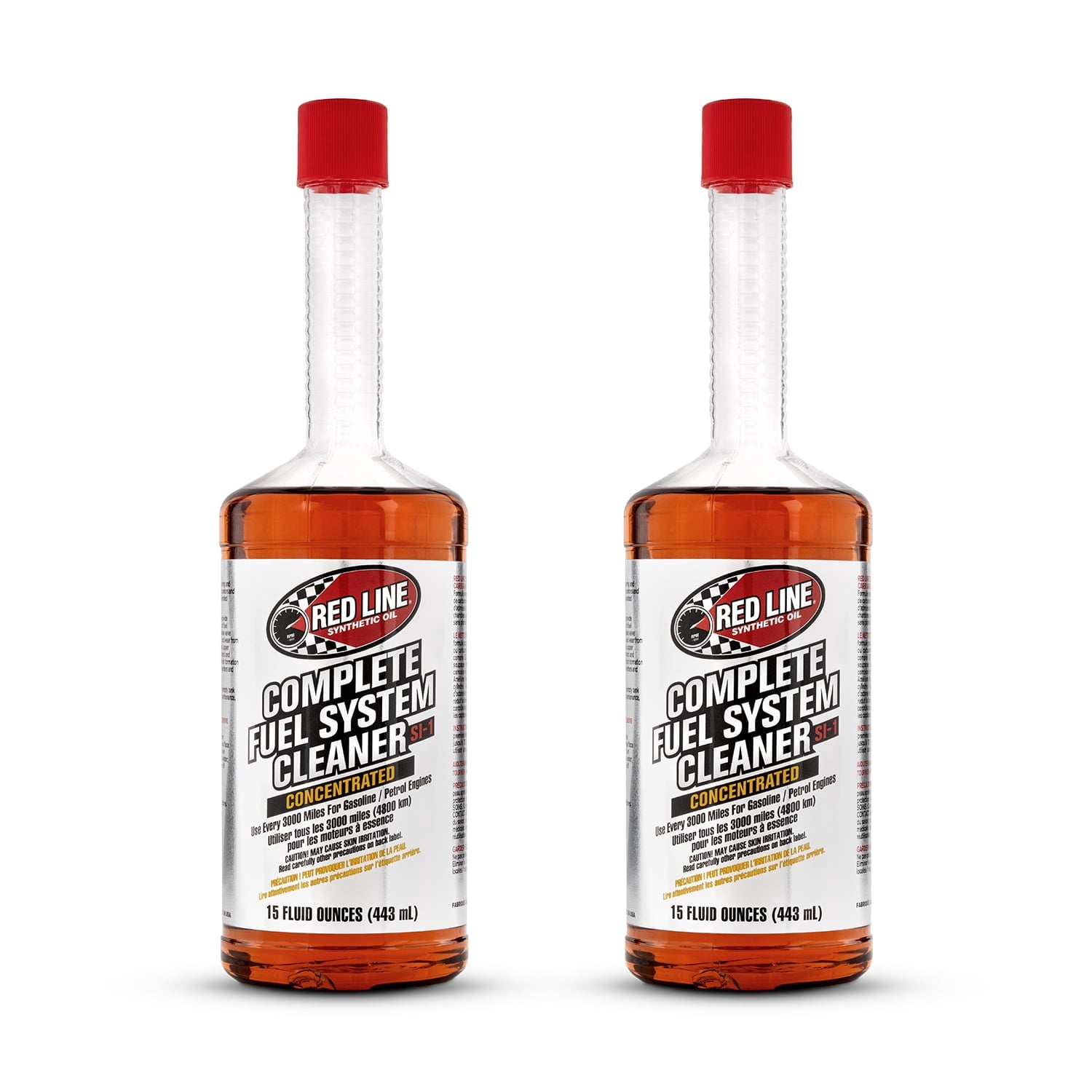
Red Line SI-1 comes in a 15-ounce bottle, and this Amazon listing is a two-pack. It pairs detergents with synthetic lubricant to clean injectors, carburetors, valves, and combustion chambers. Enthusiast forums often call it a favorite. One bottle treats one tank for a quick cleanup.
It fits high-mileage cars and drivers who want a stronger dose than store brands. Results vary by vehicle. An Acurazine member noted that some owners saw no difference, so age and mileage matter.
Key Features
- High-Strength Detergents — attack injector, valve, and combustion chamber deposits.
- Synthetic Lubricant — adds upper-cylinder lubrication while it cleans.
- Corrosion Protection — helps prevent corrosion inside the fuel system.
- Oxygenated Fuel Ready — suited to ethanol blends and continual use.
- Two-Pack Value — two 15-ounce bottles treat two tanks.
Why We Recommend It
Choose Red Line when you suspect real deposit buildup. It suits older engines that have gone years without a fuel system cleaner.
It ranked fourth because of price and mixed results across vehicles. Forum owners still rank it among the stronger retail cleaners.
Pros
- Cleans injectors, carburetors, and valves
- Adds synthetic upper-cylinder lubrication
- Helps prevent fuel system corrosion
- Safe for continual use in oxygenated fuel
- Strong forum reputation among enthusiasts
Cons
- Costs more than most store-brand cleaners
- Results vary by vehicle age and mileage
What Customers Say
An Acurazine forum member said, “Redline SI-1 is a great fuel cleaner for almost all cars.”
5. Lucas Oil 10013 Fuel Treatment — Best Bulk Value

Lucas Fuel Treatment works in gasoline and diesel engines, carbureted or fuel injected. The one-gallon jug suits shops, truck owners, and anyone with several engines. Lucas recommends two to three ounces per ten gallons and says exceeding the dose is not harmful. Amazon price history shows a range of roughly $20 to $38.
It leans toward lubrication plus detergency rather than aggressive solvent cleaning. That makes it a steady maintenance choice. Measuring each dose takes a moment, so keep a small bottle handy. Pair it with filter care, since a dirty air filter affects mileage too.
Key Features
- Dual-Fuel Formula — works in gasoline and diesel, carbureted or fuel injected.
- Upper Cylinder Lubricant — adds lubrication while it cleans injectors.
- Low Dose Rate — two to three ounces treats ten gallons of fuel.
- Forgiving Dosing — Lucas says exceeding the recommended dose is not harmful.
- Bulk Gallon — treats roughly 425 to 640 gallons at the label rate.
Why We Recommend It
Buy Lucas if you run several engines or manage a small fleet. The gallon jug drops your cost per treated tank.
It ranked fifth because dosing takes effort and the Amazon price swings. For high-volume users, it is hard to beat.
Pros
- Works in gasoline and diesel engines
- Suits carbureted and fuel-injected systems
- Forgiving label dose
- Gallon size lowers cost per tank
- Lubricates fuel pumps and injectors while cleaning
Cons
- A gallon jug has no built-in dosing, so you must measure
- Amazon price has swung from about $20 to $38
What Customers Say
Ralph B. of Waxhaw, NC, wrote on Lucas’s site about his Suburban: “Put in 1/2 a bottle and drove about 100 miles.”
How to Buy the Best Gas Additive Carb Cleaner

Not every bottle suits every engine. Use these five checks to choose a gas additive carb cleaner that matches your symptoms and budget.
Build Quality
Chemistry matters most. PEA detergents, like Techron’s, attack carbon on valves and injectors. Solvent blends, like Berryman’s, attack gum and varnish. Petroleum blends, like Sea Foam, clean and lubricate. Match the chemistry to your symptom, and confirm the label lists your fuel type, including ethanol blends.
Performance
Expect modest, gradual gains. Treat a near-empty tank, refill, and drive normally. Deposits clear over one to three tanks. A cleaner cannot fix a failed coil or vacuum leak. Red Line explains its dose and chemistry on its SI-1 product page.
Size / Capacity
Check how many gallons each container treats. A 20-ounce Techron bottle treats 20 gallons. A 16-ounce Sea Foam can treats 16 gallons. Lucas’s gallon jug treats several hundred. Choose single bottles for one vehicle and bulk jugs for fleets, mowers, and shop use.
Warranty & Support
Reputable makers publish warranties and safety data sheets. Chevron, for example, posts its product warranty terms online. Buy from an authorized Amazon listing, and check that the pack count matches the title before ordering.
Price vs Value
Compare cost per treated gallon, not bottle price. Sea Foam treats at about one ounce per gallon from an inexpensive can. PEA bottles cost more but target stubborn deposits. If the engine runs well, a budget maintenance dose at each oil change is enough. Save premium cleaners for rough running.
How to Install, Set Up, and Maintain Your Gas Additive
How to Install
Adding a cleaner takes minutes. Work outdoors with the engine off and cool. Gasoline is flammable, so keep sparks and flames away. Follow the label dose. For a visual walkthrough, See the Video from Sea Foam.
- Let the tank run low before treating.
- Pour the measured dose into the tank.
- Fill with fresh gasoline to mix it.
- Wipe spills and wash your hands.
How to Set Up / Tune
Dosing depends on the product. Most labels call for about one ounce per gallon, while Techron uses a full bottle per tank. Drive normally afterward. Highway miles help carry detergents through the system.
- Sea Foam: one ounce per gallon, about every 3,000 miles.
- Techron: one 20-ounce bottle for up to 20 gallons.
- Lucas: two to three ounces per ten gallons.
- Drive through at least one full tank before judging results.
How to Maintain
Preventive use beats emergency cleaning. Treat at oil changes and before storage. For carburetors that stay gummed, soaking parts works better than additives alone. Our guide to ultrasonic carburetor cleaning liquids explains a deeper method.
- Replace the fuel filter on schedule.
- Use fresh fuel, not old gas.
- Add a stabilizer before long storage.
- Never exceed label rates on PEA cleaners.
Frequently Asked Questions
Can a gas additive carb cleaner fix a rough idle?
It can, when varnish or light deposits cause the problem. Many owners report smoother idle within a tank or two. Mechanical faults, such as vacuum leaks or worn parts, need repair instead.
How often should I use a fuel additive?
Sea Foam recommends every 3,000 miles for regularly driven cars. Chevron recommends Techron every 3,000 miles or at oil changes.
Are these additives safe for catalytic converters and oxygen sensors?
Berryman states that B-12 Chemtool is catalytic converter and oxygen sensor safe. Chevron says Techron will not harm catalytic converters or oxygen sensors.
Can I use a gas additive in a diesel engine?
Sea Foam and Lucas list diesel compatibility. Techron Concentrate Plus is gasoline only, and Chevron sells a separate diesel version. Berryman’s B-12 is formulated for gasoline fuel treatment.
Does Sea Foam work as a carb cleaner?
Sea Foam lists carburetor jets and passageways among the areas it cleans. It handles light gum and varnish well. For heavy buildup, soak or rebuild the carburetor.
Final Conclusion
The best gas additive carb cleaner is the one that matches your engine and symptoms. Sea Foam covers the most ground for the price. Berryman hits carbureted engines hardest. Techron and Red Line target deeper deposits, while Lucas gives bulk value to multi-engine households.
Start with the label dose, treat a near-empty tank, and drive through a full tank before judging. Repeat at oil changes to keep varnish from returning.
If cleaning no longer helps and you plan a rebuild, see our guide to the best carburetor for 383 stroker builds. Otherwise, pick a cleaner above, add it to your next tank, and enjoy smoother performance.

Leave a Reply