
A failing 2010 fuel pressure regulator rarely fails loudly. You notice a hard start, a stumbling throttle, or fuel economy that slowly slips. Many owners chase spark plugs and sensors first. Meanwhile, the regulator lets pressure drift. If your engine already idles poorly, read what causes rough idle at low RPM to rule out other suspects.
The right 2010 fuel pressure regulator matters because fitment is vehicle-specific. Some 2010 models place the regulator inside the fuel tank. Others mount it on the rail or filter. A part built for the wrong engine or build location will not seat properly or hold pressure. Matching your exact trim and engine saves you a second repair bill.
We reviewed five vehicle-specific options using manufacturer cross-references and parts-catalog fitment data. They cover Honda, Toyota, Lexus, and Mazda applications. Each pick shows who it suits and what to check first. Confirm your VIN before ordering, because engine size and build location can change the part number within a single model year.
🏆 Editor’s Top Pick
Delphi FP10529 Fuel Pressure Regulator
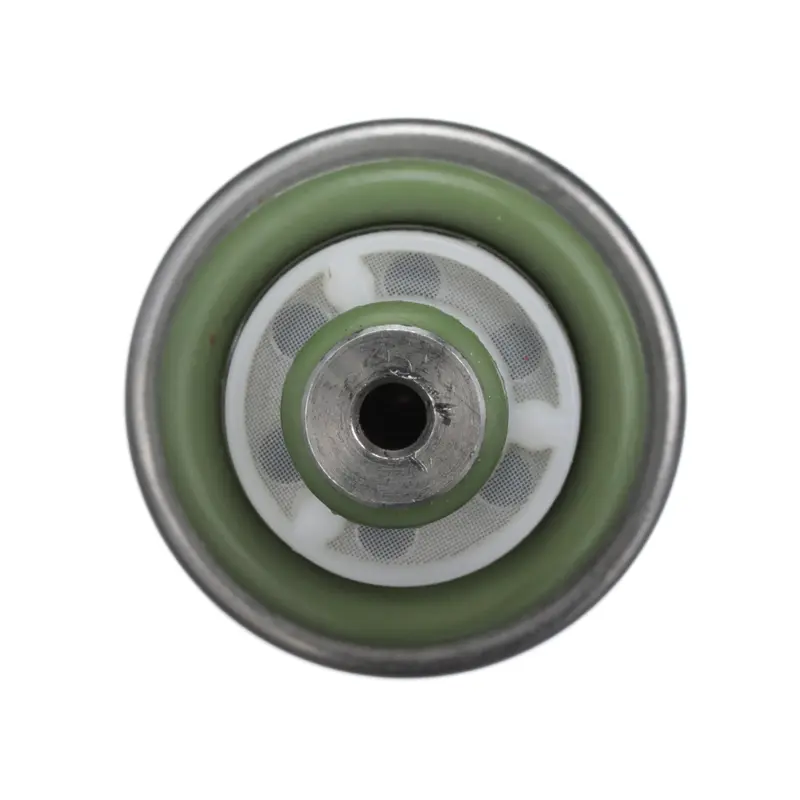
The Delphi FP10529 earns our top spot for its documented OE cross-references and wide 2010 fitment across Honda, Toyota, and Lexus models. It is flow-tested, factory calibrated, and priced below most OEM parts.
- Replaces Honda 17052-SWA-A00
- Nitrile high-ethanol-resistant diaphragm
- Fits 2010 CR-V, RX350, and Camry
- Metal body, push-in ports
Top 5 2010 Fuel Pressure Regulator Reviews
1. Delphi FP10529 — Best Overall for Honda, Toyota, and Lexus Fitment
The Delphi FP10529 is an in-tank fuel injection pressure regulator. Delphi’s distributor lists it for 2007–2011 Honda CR-V, 2007–2010 Lexus RX350, and 2007–2017 Toyota Camry. A parts retailer confirms it for the 2010 CR-V 2.4L in EX, EX-L, and LX trims.
It suits owners who want an OE-style replacement without dealer pricing. Retailers show a wide price spread, so compare before buying. Delphi says it tests its regulators to OE engineering standards. Always match your engine size and build location before ordering.
Key Features
- OE Cross-References — replaces Honda 17052-SWA-A00 and Toyota 23280-21010, so you can match your old part number directly.
- Nitrile Diaphragm — Delphi states it resists high-ethanol fuels, which helps with today’s pump gasoline blends.
- Metal Construction — the catalog lists a metal body for a firm, durable seal.
- Push-In Ports — a 16.0 mm inlet and 8.0 mm outlet, both push-in, let you check fit against the old part.
- Fixed Pressure — it is not adjustable, which keeps pressure at the listed system value of 46.
Why We Recommend It
Choose this if you drive a 2010 CR-V, RX350, or Camry. Its documented cross-references let you verify fitment instead of guessing.
It ranks first because it combines OE interchange data, wide fitment, and mid-range pricing. Check our guide to cars that rev up and down while driving if pressure issues are not your only symptom.
Pros
- Replaces Honda 17052-SWA-A00 and Toyota 23280-21010
- Listed for 2010 Honda CR-V 2.4L
- Nitrile diaphragm resists high-ethanol fuel
- Metal body with push-in ports
- Covers many Toyota, Lexus, and Scion models
Cons
- Not adjustable
- Prices ranged widely, roughly $87 to $158, across retailers we saw
What Customers Say
UNVERIFIED — no attributable Reddit or forum quote found. Insert a real quote and source here.

2. Standard Motor Products PR450 — Best for Multi-Model Toyota and Lexus Fitment

The Standard Motor Products PR450 covers a long list of applications. A parts retailer lists 2007–2010 Honda CR-V, 2007–2010 Lexus RX350, and 2007–2010 Toyota Sienna. It also lists RAV4, Matrix, Camry, and Scion xD fits. That breadth makes it a flexible 2010 option.
It suits owners of those models who prefer a recognized replacement brand. The listing includes an O-ring and caution sheet. The CR-V entry carries a “Japan built part, alternate number” note, so confirm your build. Prices ran above $90, so compare sellers.
Key Features
- Steel Construction — the catalog lists a steel body with a chrome finish.
- Flange Mounting — the flange design matches the layout on the listed vehicles.
- Included O-Ring — a seal ships with the part, saving a separate parts run during installation.
- Caution Sheet Included — it gives handling notes before you release fuel pressure.
- Broad Fitment List — one part number serves several Honda, Toyota, Lexus, and Scion models.
Why We Recommend It
Pick this one if you own a 2010 RX350, Sienna, or Camry and want a known aftermarket brand. Its interchange list includes Toyota 2328021010.
It ranks second because it matches Delphi’s fitment while offering less OE-spec detail in the listings we found.
Pros
- Listed for 2007–2010 Lexus RX350 and Toyota Sienna
- Also lists Camry, RAV4, and Honda CR-V
- Steel body with flange mounting
- Includes an O-ring
- Interchange list includes Toyota 2328021010
Cons
- Resale listings we saw ran above $90
- Broad fitment list means you must confirm engine and build
What Customers Say
UNVERIFIED — no attributable Reddit or forum quote found. Insert a real quote and source here.
3. Toyota OEM 23280-21010 — Best OEM Choice for the 2010 Camry
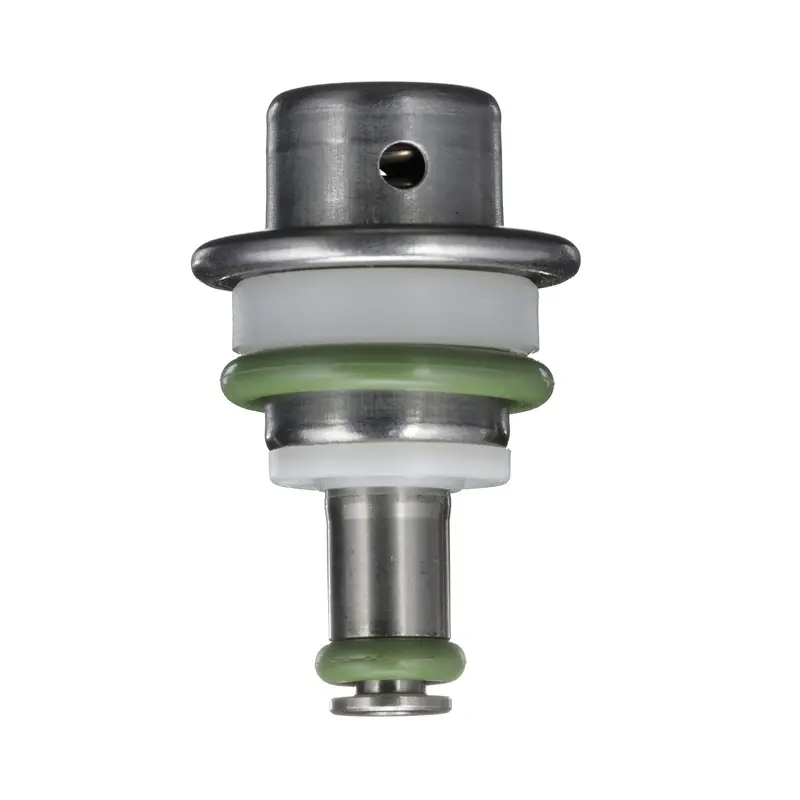
Toyota part 23280-21010 is the genuine regulator assembly listed for the 2010 Toyota Camry. One catalog lists it at $80.23 against an MSRP of $113.09. Another catalog shows a different part, 23280-20060, for the 3.5L V6, so match your engine.
It suits Camry owners who want a factory part. The catalog lists dimensions of 5.8 x 4.4 x 2.5 inches and 0.40 pounds. Its seller states a 12-month, 12,000-mile warranty. The photo above shows the Delphi equivalent that replaces this number.
Key Features
- Genuine Toyota Part — made to factory specification for the 2010 Camry 4-cylinder.
- Catalog-Verified Fitment — listed for 2010 Camry submodels by VIN-based catalogs.
- Compact Size — 5.8 x 4.4 x 2.5 inches makes a visual match easy.
- Light Weight — about 0.40 pounds per the catalog.
- Warranty Listed — 12 months or 12,000 miles at the seller we checked.
Why We Recommend It
Choose this if you want the same part Toyota installed and your VIN confirms the 2.4L engine.
It ranks third because it costs about the same as aftermarket options while offering strong fitment certainty. We did not verify Amazon availability.
Pros
- Genuine OEM part
- Listed for the 2010 Toyota Camry
- Catalog price about $80 versus $113 MSRP
- 12-month, 12,000-mile warranty at one seller
- Same number cross-referenced by Delphi and Standard
Cons
- The 3.5L V6 Camry needs a different part, 23280-20060
- Catalog pricing varied between sellers
What Customers Say
UNVERIFIED — no attributable Reddit or forum quote found. Insert a real quote and source here.
4. Honda OEM 17052-SWA-A00 — Best OEM Choice for the 2010 CR-V
This is the genuine Honda pressure regulator assembly for the 2010 CR-V 2.4L in EX, EX-L, LX, and SE trims. A catalog labels 17052-SWA-A00 as Japan built. A separate part, 17052-SXS-A00, covers US-built vehicles. Both are listed as direct replacements.
It suits owners who want factory parts and no fitment doubt. The catalog notes the part includes a gasket kit and ships with the fuel pump assembly. Check your build location before ordering, because the two part numbers are not interchangeable.
Key Features
- Genuine Honda Part — made to factory specification for the 2010 CR-V.
- Direct Replacement — the catalog lists the fitment type as direct replacement.
- Two Build Variants — separate numbers exist for Japan-built and US-built CR-Vs.
- Gasket Kit Included — the catalog notes the part includes a gasket kit.
Why We Recommend It
Choose this if you want the same part Honda installed and your VIN confirms the build location.
It ranks fourth because catalog prices ($113.62 to $182.16) sat above the aftermarket options. We did not verify Amazon availability.
Pros
- Genuine OEM part
- Listed as a direct replacement
- Covers EX, EX-L, LX, and SE trims
- Separate Japan-built and US-built numbers avoid mix-ups
- Gasket kit included per the catalog
Cons
- Costs more than Delphi’s listed price range
- You must match Japan-built or US-built part numbers
What Customers Say
UNVERIFIED — no attributable Reddit or forum quote found. Insert a real quote and source here.
5. Mazda OEM LFB6-13-280 — Best Budget OEM for the 2010 MX-5 Miata
A Mazda parts retailer lists the genuine LFB6-13-280 pressure regulator for the 2010 MX-5 Miata 2.0L. It appears in the fuel system components diagram at $45.20 against a $60.28 list price. Another page for the same part showed $44.53, so prices move.
It suits Miata owners who want a factory part at a low price. Use your VIN, and do not rely on this listing alone. The retailer’s category menu also calls it a fuel tank pressure regulator, so confirm its function with the seller.
Key Features
- Genuine Mazda Part — sold as an OEM replacement for the 2010 MX-5.
- Low Catalog Price — it was the cheapest part in our roundup at about $45.
- Diagram-Listed — it appears in the 2010 Miata fuel system components diagram.
- 2.0L Fitment — the retailer lists the 4-cylinder 2.0L gas engine.
Why We Recommend It
Pick this if you drive a 2010 Miata and want the lowest-cost factory option we found.
It ranks last because the listing gives few specifications and we could not verify Amazon availability.
Pros
- Genuine OEM part
- Listed specifically for the 2010 MX-5 Miata
- Lowest catalog price in this roundup
- Shown in the factory fuel system diagram
- UNVERIFIED — add a fifth pro from a real source
Cons
- Few specifications published in the listing
- Narrow fitment: the Miata only
What Customers Say
UNVERIFIED — no attributable Reddit or forum quote found. Insert a real quote and source here.
How to Buy the Best 2010 Fuel Pressure Regulator

Buying a 2010 fuel pressure regulator comes down to exact fitment. Start with your VIN, engine size, and build location. Then compare part numbers against your old regulator. The factors below help you choose between OEM and aftermarket. Delphi also publishes a fuel system resource center for deeper reference.
Build Quality
Look for a metal body, a quality diaphragm, and included seals. Delphi lists a Nitrile diaphragm for high-ethanol resistance. Standard lists steel construction and an O-ring. Cheap regulators often skip seals, which forces a second trip to the parts store. Good materials reduce leaks and keep pressure steady over time.
Performance
The regulator should hold the factory pressure under all loads. Fixed, non-adjustable units suit stock 2010 vehicles best. A weak one causes hard starts, hesitation, or surging. See our guide to cars that rev up and down while driving when symptoms look similar.
Size and Fitment
Size means port diameter, mounting style, and location. Delphi lists a 16.0 mm inlet for the FP10529. Honda sells separate part numbers for Japan-built and US-built CR-Vs. Compare your old part to the new one before installing. A near match is still the wrong part.
Ease of Use
Most 2010 in-tank regulators require dropping the pump assembly. Others need only a rail or filter swap. Check where yours sits before buying. Parts that include an O-ring and instructions save time. Release fuel pressure first, and work in a ventilated space away from sparks.
Warranty and Support
Warranty terms vary by seller. One Toyota parts seller lists 12 months or 12,000 miles for the OEM part. OEM parts usually carry factory coverage through the dealer channel. Save your receipt and note the installation date, since many claims require proof of correct installation.
Price vs Value
We saw wide price gaps. Delphi ranged from about $87 to $158. Honda’s catalog price ran $113.62 to $182.16. Toyota’s was about $80 and Mazda’s about $45. Compare several sellers, and confirm the listing matches your vehicle. The cheapest regulator becomes expensive if it must be replaced twice.
How to Install, Set Up, and Maintain a Fuel Pressure Regulator
How to Install
Installation depends on your regulator’s location. In-tank units mean removing the pump assembly. Always relieve fuel pressure first and disconnect the battery. Replace seals, and compare the new part to the old one. See the video installation guide.
- Relieve fuel pressure and disconnect the battery.
- Access the pump or rail and note the regulator’s position.
- Remove the old regulator and inspect the housing.
- Fit the new O-ring, seat the regulator, and reassemble.
How to Set Up / Tune
Stock 2010 regulators need no tuning. Setup means verifying pressure and clearing leftover fault codes. Run the pump a few times before starting. Then check for leaks. If a warning light stays on, our guide to resetting the reduced engine power light may help.
- Cycle the key to prime the system.
- Inspect all connections for fuel smell or seepage.
- Start the engine and watch idle stability.
- Test fuel pressure with a gauge against factory specifications.
How to Maintain
Regulators need little service, but the fuel system around them does. Use quality fuel and replace the filter on schedule. Watch for symptoms early. A healthy ignition system also helps you diagnose problems accurately, so consider the best coil packs for the 5.4 Triton if you drive a Ford truck.
- Replace the fuel filter at the recommended interval.
- Avoid running the tank near empty.
- Check for fuel smell around the engine bay.
- Test pressure if you notice hard starts.
Frequently Asked Questions
How do I know if my fuel pressure regulator is bad?
Common signs include hard starting, rough idle, poor mileage, and black smoke. Fuel pressure that sits outside factory specification confirms it. A gauge test is the surest check.
Where is the fuel pressure regulator on a 2010 vehicle?
It depends on the model. The 2010 CR-V listing we found places it in the fuel tank. Others use the rail or filter. Check your service manual or parts catalog.
Can I use a universal regulator on a 2010 car?
Vehicle-specific parts fit better and hold factory pressure. Universal regulators suit custom builds. For stock 2010 vehicles, use the exact part number for your engine.
Does a dirty air filter affect fuel pressure?
Not directly, but it can mimic similar symptoms such as poor mileage. Read does an air filter affect gas mileage to separate the causes.
Should I choose OEM or aftermarket?
OEM guarantees fitment but often costs more. Quality aftermarket brands such as Delphi list OE cross-references and can save money. Verify the part number either way.
Final Conclusion
Choosing a 2010 fuel pressure regulator is mostly about fitment. Confirm your engine, trim, and build location first. Then match the part number to your old regulator. Those steps prevent most return trips and repeat repairs.
For most Honda, Toyota, and Lexus owners, the Delphi FP10529 is the best starting point because its OE cross-references are easy to check. The Standard PR450 suits RX350 and Sienna owners. OEM Toyota, Honda, and Mazda parts are the safest choice when you want factory certainty.
Compare sellers before you order, since prices varied widely. Install the part carefully and pressure test the system afterward. If you also tackle ignition work, our best coil pack roundup is a sensible next read.

Leave a Reply