Boat trailer wheel bearings spend their lives getting dunked, baked, and shaken. One launch can push water past a weak seal, and rust starts quickly. Picking the right marine bearing grease is the cheapest insurance you can buy against a seized hub on the side of the highway.
Not every tub on the shelf is built for that job. Automotive grease works in a pinch, but marine formulas resist water washout far better. Look for GC-LB certification, a water-insoluble base, and a grade that fits your hubs. For the bigger picture, see our boat trailer maintenance guide.
We compared five water-resistant options using manufacturer data, retailer specs, and real owner feedback. Each pick fits boat trailer use, and any limits are flagged. Whether you repack by hand or top up a bearing protector, one of these marine bearing greases should suit your setup and budget.
As an Amazon Associate, we earn from qualifying purchases. This costs you nothing extra.
Lucas Oil Marine Grease, 14 oz
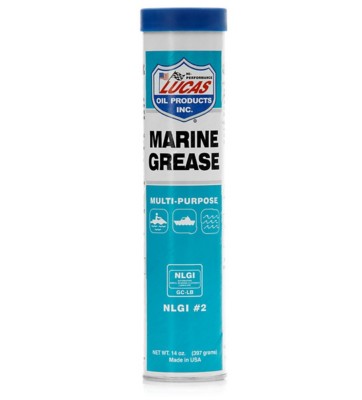
- NLGI GC-LB certified
- 14 oz grease gun cartridge
- Fresh and salt water protection
- Made in the USA
Top 5 Marine Bearing Grease Reviews
1. Lucas Oil Marine Grease, 14 oz — All-Around Pick
Lucas Marine Grease is a heavy-duty formula certified to NLGI GC-LB. It targets boat trailer wheel bearings, trailer chassis points, and outboards, with rust and corrosion protection in fresh and salt water. The 14 oz cartridge loads into a standard grease gun, and retailers commonly list it under $10. It suits hand-packing and gun refills, but Lucas does not recommend it for centralized dispensing systems, so check your setup before buying.
NLGI GC-LB certified
Fresh and salt water use
Made in USA
Key Features
- GC-LB certified — covers wheel-bearing and chassis lubrication, which suits a trailer hub and its moving hardware.
- Water protection — keeps rust and corrosion in check in both fresh water and salt water environments.
- Universal use — one tube also handles outboards and trailer chassis points, cutting the number of products you stock.
- Standard cartridge — fits ordinary grease guns, so refills at the hub stay quick and clean.
✔ Pros
- GC-LB certified for wheel bearings
- Strong fresh and salt water protection
- Widely sold at major retailers
- One tube covers many marine jobs
✖ Cons
- Not for centralized dispensing systems
- Check compatibility before mixing greases
What buyers say: An Advance Auto Parts reviewer who packed new boat trailer bearings with it wrote, “The grease itself is good.”
2. AMSOIL Synthetic Water-Resistant Grease — Wet-Duty Synthetic
AMSOIL Synthetic Water-Resistant Grease is built for wet duty, and the maker says it meets NLGI GC-LB and HPM+WR requirements. It is recommended for gear frequently exposed to water, mud, snow, or ice, including marine applications. The synthetic base suits owners who launch often or tow through big temperature swings. Expect a premium price, and confirm the Amazon listing shows the correct size and a genuine AMSOIL seller before you order.
NLGI GC-LB
HPM+WR
Marine-rated use
Key Features
- Washout resistance — AMSOIL cites excellent water-washout resistance so the grease stays in place longer between launches.
- Corrosion protection — the maker lists exceptional protection from corrosion, a priority for hubs that sit wet.
- Heavy-load ability — outstanding load-carrying and extreme-pressure performance for heavy and abusive loads, including loaded trailer hubs.
- Dual certification — meets GC-LB and HPM+WR specifications, a useful pairing for wheel bearings that live in water.
✔ Pros
- Synthetic formula with GC-LB rating
- Strong washout resistance, per maker
- Positive boat trailer owner feedback
- Handles heavy loads and wet duty
✖ Cons
- Costs more than petroleum options
- Amazon size and seller need checking
What buyers say: A verified buyer on the AMSOIL website wrote, “Works great on my boat trailer.”
3. LubriMatic Marine Trailer Wheel Bearing Grease — Salt Defense
LubriMatic uses a calcium sulfonate complex that the maker calls water insoluble and ideal for marine work. It is made for trailer hub bearings, including disc brake wheel bearings, plus hinges, pins, winches, and anchor chain reels. The 14 oz cartridge fits a standard gun, while 3 oz cartridges suit small top-ups but need a mini grease gun. The maker promises excellent corrosion protection under severe salt water and salt air conditions.
14 oz or 3 oz cartridges
Disc brake bearing use
Water insoluble
Key Features
- Calcium sulfonate base — a water-insoluble complex that resists washout when hubs are repeatedly submerged at the ramp.
- Brake-bearing approved — the maker lists disc brake wheel bearings among its intended uses, which matters on braked trailers.
- Hardware coverage — also protects swivel hinges, pins, winches, and anchor chain reels from corrosion.
- Size options — choose 14 oz cartridges for hub work or 3 oz cartridges for quick bearing-protector top-ups.
✔ Pros
- Water-insoluble calcium sulfonate complex formula
- Rated for disc brake wheel bearings
- Covers hinges, winches, and chain reels
- Small cartridges ideal for top-ups
✖ Cons
- 3 oz size needs a mini gun
- Clean out old grease before switching
What buyers say: An etrailer expert (editorial) wrote, “I personally really like the LubriMatic Marine Trailer Wheel Bearing Grease.”
4. Star brite Marine Grade Wheel Bearing Grease — Flexible Sizes

Star brite Marine Grade Wheel Bearing Grease is an N.L.G.I. #2 product with a water-insoluble formula meant to resist wash-out. It targets corrosive marine uses such as trailer wheel bearings, water pumps, hinges, pins, winches, and anchor chain reels. Star brite sells it in 14 oz tubes, 1 lb cans, and 3 oz two-packs, so you can match size to the job. The listings I reviewed do not state a GC-LB rating, so confirm the label first.
Water-insoluble formula
14 oz, 1 lb, 3 oz sizes
Made in USA
Key Features
- NLGI #2 grade — the common wheel bearing grade, thick enough to stay put inside a trailer hub.
- Wash-out resistance — the special water-insoluble formula is highly resistant to wash-out, per the maker.
- Salt protection — superior rust and corrosion protection from salt water, salt air, and atmospheric chemicals, according to Star brite.
- Grease-gun ready — fits most standard grease guns in 14 oz tube form, which keeps bearing protector refills simple.
✔ Pros
- Marine-grade formula resists water wash-out
- Three size options for different jobs
- Easy to find at marine retailers
- Rated N.L.G.I. #2 for trailer bearings
✖ Cons
- No GC-LB rating on listings
- Fewer technical specs than rivals
5. Sta-Lube Marine Boat Trailer and 4×4 Wheel Bearing Grease — Non-Braked Hubs
Sta-Lube’s marine grease is built to adhere to moving parts and resist blending or wash-out when applied correctly. CRC lists uses from boat trailer wheel bearings to blocks, winches, sleeve bearings, and 4×4 trailers. Retail prices I saw ran higher than rivals. One limit matters here: the maker says it is not for disc or drum brake wheel bearings. Use it only on non-braked hubs and hardware, and choose another pick for braked trailers.
Not for brake-bearing hubs
Blocks and winches
4×4 trailer use
Key Features
- Adhesive formula — designed to cling to moving parts without blending or washing out when applied correctly.
- Corrosion defense — protects against deterioration from corrosion and rust, cutting the risk of seized parts.
- Wide marine uses — suits blocks, bearing assemblies, winches, tackles, sleeve bearings, and general marine equipment.
- 4×4 crossover — the same formula serves 4×4 trailers, so it doubles as a utility trailer grease.
✔ Pros
- Strong adhesion to moving parts
- Handles winches, blocks, and sleeve bearings
- Works on 4×4 and utility trailers
- Corrosion protection built for marine use
✖ Cons
- Not for brake wheel bearings
- Higher price than most rivals
What buyers say: A BobIsTheOilGuy forum member’s comparison list put Sta-Lube at 5% washout, versus 2.75% for Lucas Marine.
How to Choose Marine Bearing Grease for Your Boat Trailer
Match the Grease to Your Hub Setup
Check whether your trailer has disc brakes, drum brakes, or plain hubs, plus any bearing protectors. The best marine bearing grease for one hub can be wrong for another. Read the label for brake-bearing approval, and skip any product that excludes your setup.
Look for GC-LB Certification
The NLGI GC-LB rating covers wheel bearing and chassis service. GC is the top wheel-bearing tier, and LB is the top chassis tier. BoatUS ranks automotive grease as a stopgap, marine formulas as better, and synthetic marine grease as the top tier.
Prioritize Water Washout Resistance
Hot hubs hit cold water at the ramp, and seals can let moisture in. Grease that washes out leaves bearings dry. Compare water-insoluble or water-resistant claims, and favor products with published washout or corrosion data. Marine bearing grease should stay in the bearing after every dunk.
Choose the Right Grade
Many trailer hubs use NLGI #2 grade, which stays put without being too stiff to pack into the bearing. Check your axle maker’s guidance first. Thicker or thinner grades can slump or starve a bearing, so match the grade to the manual.
Pick the Right Package
A 14 oz cartridge suits a grease gun and bearing protectors. A tub or can works best for hand-packing during a full repack. Small 3 oz cartridges are handy for quick top-ups but need a mini grease gun. Buy for your routine, not the lowest price.
Avoid Mixing Greases Blindly
Different thickeners can react when mixed and soften or leak. When switching products, clean old grease from bearings, races, and the hub as thoroughly as you can. If you keep one marine bearing grease for every service, you avoid compatibility guesses and extra cleanup.
How to Repack Trailer Wheel Bearings With Marine Grease
Repacking is routine work once you have the right tools. Follow your axle maker’s torque and adjustment specs, and replace worn parts. Here is the basic sequence for a boat trailer.
1
2
3
4
5
6
Frequently Asked Questions
Can I use regular automotive grease on a boat trailer?
Automotive grease works in a pinch, but marine grease handles water far better. Boat bearings get submerged, so washout and corrosion are the real threats. If you must use automotive grease, choose a GC-LB product and repack more often.
How often should I repack boat trailer bearings?
Manufacturers commonly recommend replacing the grease every 3,000 to 4,000 miles, or yearly even if you tow short distances. Inspect bearings and seals carefully at each service. Repack sooner if the hubs take frequent saltwater dunks.
Can I mix different marine greases?
Avoid it unless the maker confirms compatibility. Mixing different thickeners can soften grease or reduce water resistance. When switching brands, clean the hub, bearings, and races thoroughly before repacking, and follow the compatibility notes on the label.
Can I use marine grease on a utility trailer?
Yes, an etrailer expert says marine wheel bearing grease works in utility trailers and repels water more effectively. The main drawback is cost, since marine formulas usually run higher than standard wheel bearing grease. Pair it with the right hubs; see our trailer hub kit reviews.
What does GC-LB mean on a grease label?
GC-LB is an NLGI certification for automotive wheel bearing and chassis grease. GC is the top wheel-bearing tier, and LB is the top chassis tier. Choose a grease that lists both, since trailer hubs see heavy loads and water.
Final Verdict
Marine bearing grease is a small purchase that protects an expensive trailer. For most boaters, Lucas Marine Grease is the easiest recommendation: it carries a GC-LB certification, protects in fresh and salt water, and is sold widely.
If you want a synthetic, AMSOIL is the step up. If your hubs run brakes and you want calcium sulfonate corrosion control, LubriMatic fits. Star brite adds flexible sizes, while Sta-Lube suits non-braked hubs and hardware.
Whichever you choose, repack on schedule and clean out old grease first. Read the label for brake-bearing use, and see our trailer brake guide if you are unsure. Ready to protect your hubs? Check the current price on your favorite pick and get your trailer launch-ready.

Leave a Reply